Scotland – Inverness-shire
Photographs, words and illustrations Nick Sidle
Photograph – Ben Nevis
Inverness-shire

Photograph – Inverness-shire North from above Glen Convinth
Largest historic county in Scotland but one of the smallest in population. Occupied by people from prehistoric times, never conquered by the Romans and ruled by clans and kings over the centuries whose fortunes changed with history. In 1901 recorded as home to 90,104 people, in 2001 only 67,733 with the majority in Inverness itself. Long before 1900 people had been driven out in the clearances. A unique home to people and wildlife but not always a secure one. Perhaps all those that live there, people and animals, should ‘own’ what is their home and their land just a little bit more.
Ben Nevis
Photograph
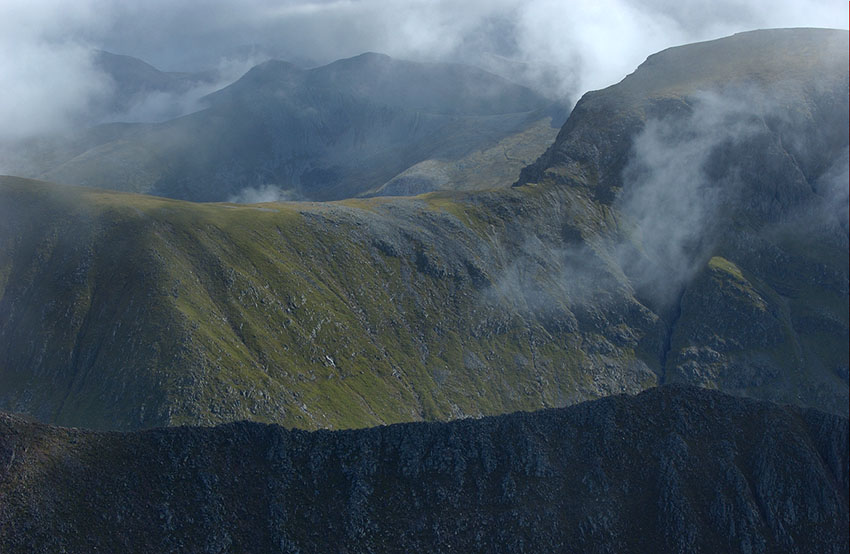
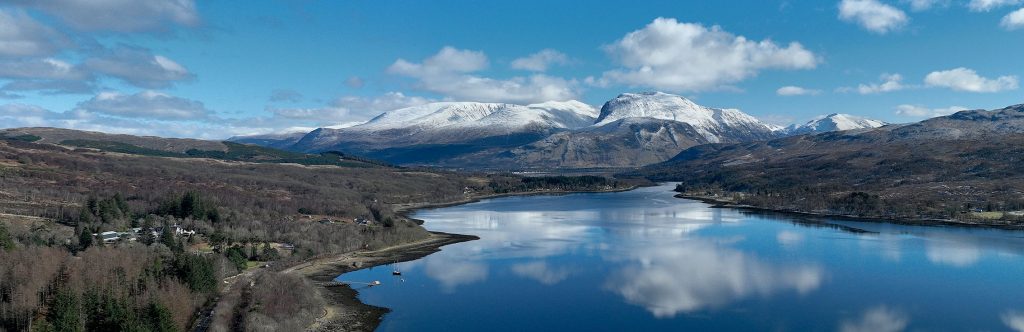
Ben Nevis, Beinn Nibheis – Cloudy Mountain, Mountain of Heaven, God’s Mountain, Venomous Mountain. Highest in Scotland, highest in Britain. As many moods as the country.
Carrbridge, The Old Packhorse Bridge
Photograph
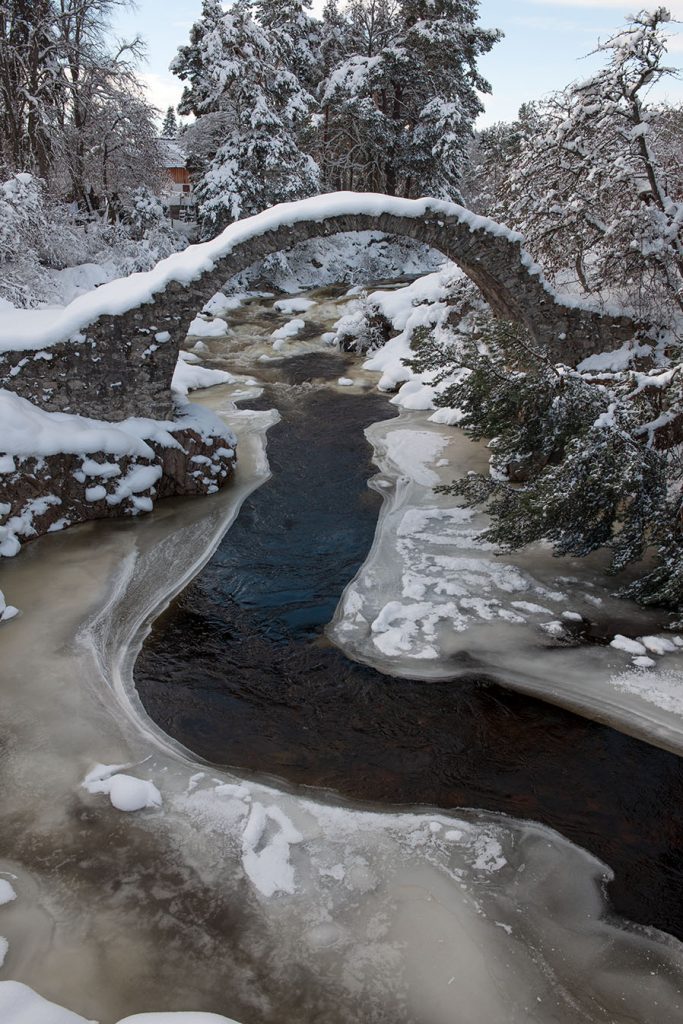
Built in 1717 the bridge allowed crossing of the River Dulnain by horses giving access to Duthil Church for funerals and the road to and from Inverness for traders. Built with parapets, these were swept away in the 1829 great flood in the Spey Valley. Getting a horse to cross after that, good luck, especially to the horse. What was left after the flood has stood as it is to the present day. The bridge has seen over 300 years of history and weather and although there were extreme events like 1829, these are becoming much more common, and floods still reach nearly to the top of the arch, just more often than they used to. Temperatures are warmer, snowfall is less but still happens and rainfall has increased. The climate and so the weather is changing, faster than predicted, as reported by The Hutton Institute in Aberdeen (https://www.hutton.ac.uk/news/scotland’s-climate-changing-faster-predicted). Let’s try and help the bridge see another 300 years. Money has changed a bit since 1717 as well. The Packhorse Bridge cost £100 then, might be a bit more now.
Corrimony Nature Reserve
Photograph
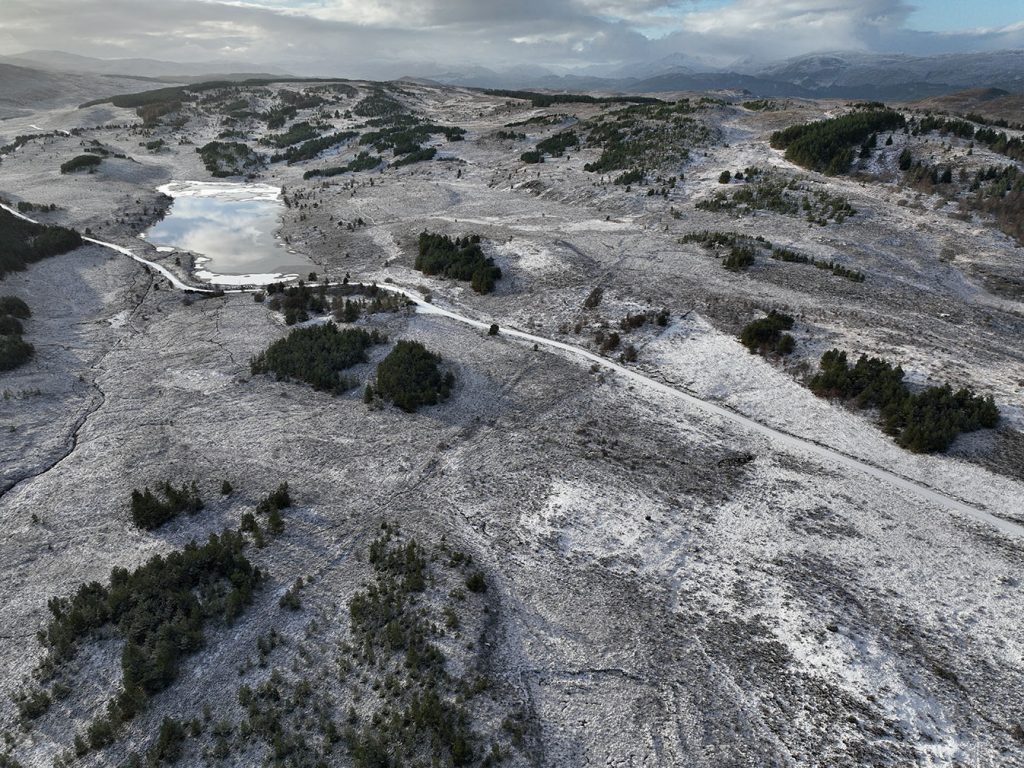
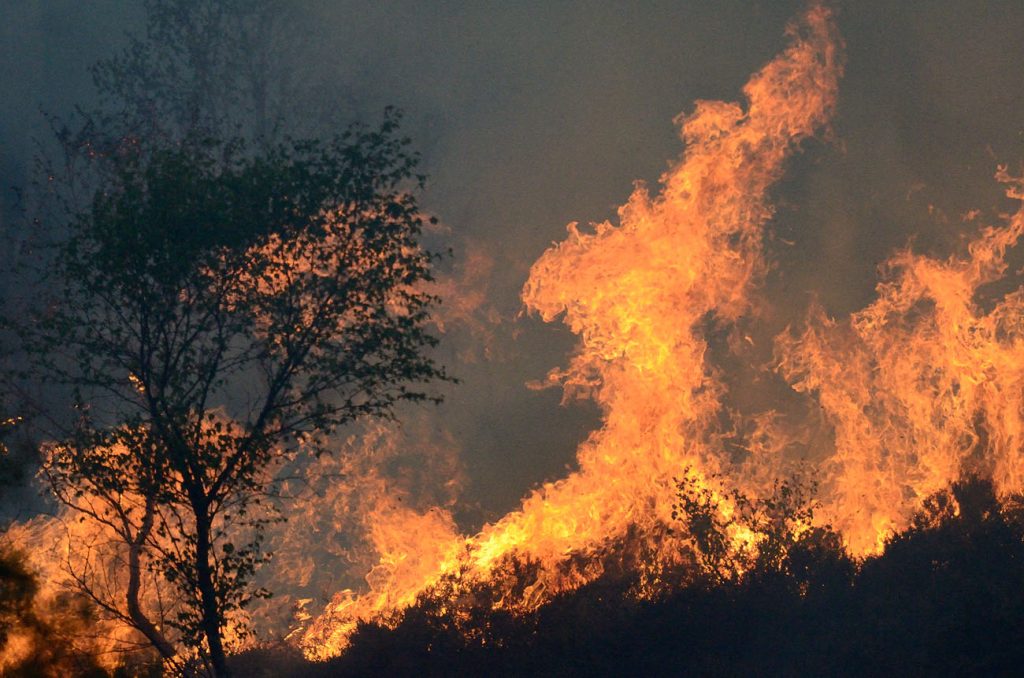
Glen Urquhart. Damaged in the huge wildfire in 2023 at Cannich. Please take care with fire if you are out in the country, recovery takes many years. Corrimony – corrie of the peat or the wet corrie, it was the peat that burned.
The reserve is managed by the RSPB and covers 1531 hectares. It is known for its Black Grouse population and is a site where restoration of the Caledonian Forest is being worked for. Corrimony has links back to prehistory with the Corrimony chambered cairn dating back to 4000 BCE. It is a landscape where people have walked for many centuries.
Friends of Cùra
The 2023 huge wildfire at Cannich was devastating both to wildlife, and the community of Cannich, may of who were traumatised by the event. A huge tree replanting effort by local volunteers was burnt out, wildlife was destroyed in large quantities – a huge area, including much of the local RSPB reserve, was simply cleared of wildlife. One fire fighter was hospitalised when their all-terrain vehicle overturned, and fire crews from up to a hundred miles away were involved in the operation for a week. At the height, I could smell the smoke, over 15 miles away.
The fire was started by humans – responsible people who knew the dangers of fire, and particularly the danger of open bonfires. They had a small camping gas stove which they were using to heat their supper. It fell over and rolled down the bank, and by the time they could get to it the dry heather was alight. As simple as that.
It’s a lesson to all of us, me included, about how careful we need to be when enjoying the countryside.
The fire service are expecting more devastating wildfires this summer, and are planning for them. Please don’t be the one who sets one off. Beware of any fire, even a controlled one, and especially after a few days of hot dry weather – those days which are best for enjoying the outdoors.
Cllr Chris Ballance, Highland Council
Photograph
Glen Convinth
Photograph
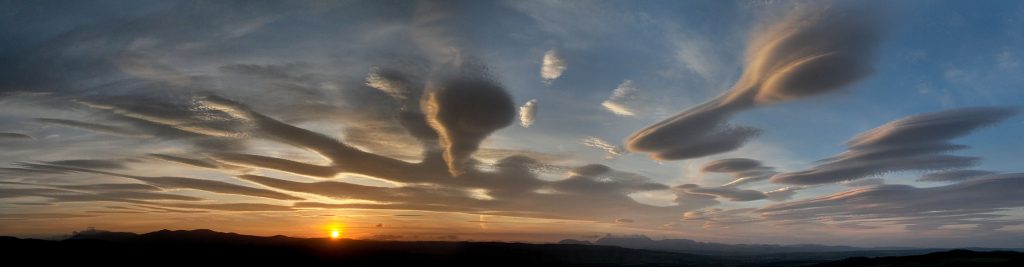
Lenticular clouds over the mountains at sunset, Glen Convinth. Formed from ‘mountain waves’ of air pushed up by the land. A rough ride up there but beautiful from the Glen.
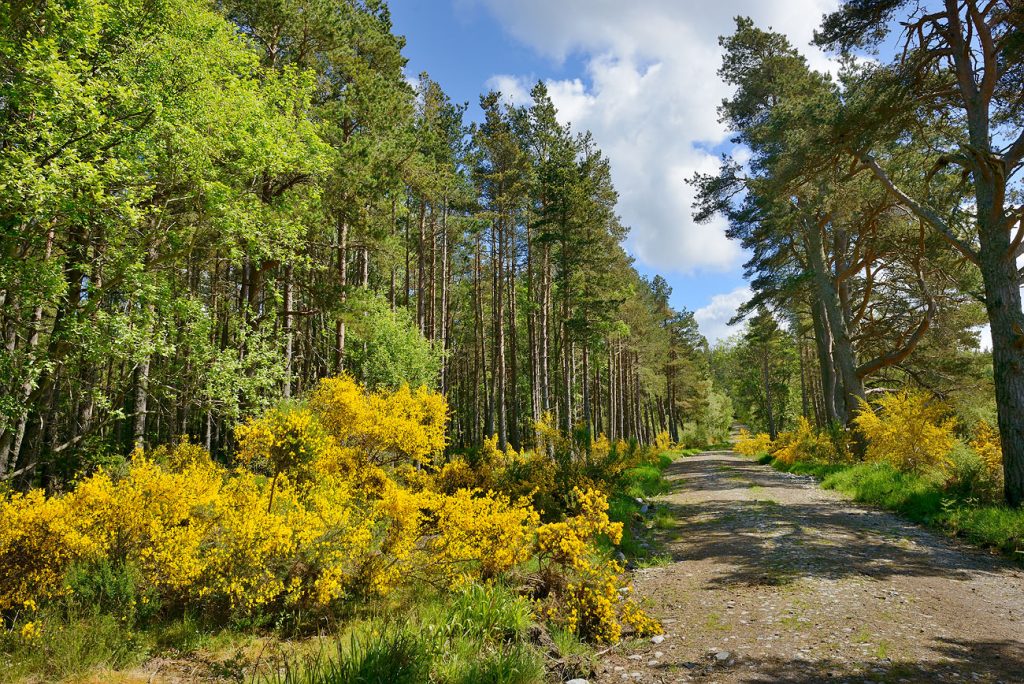
Photograph – Battan Forest
Photograph
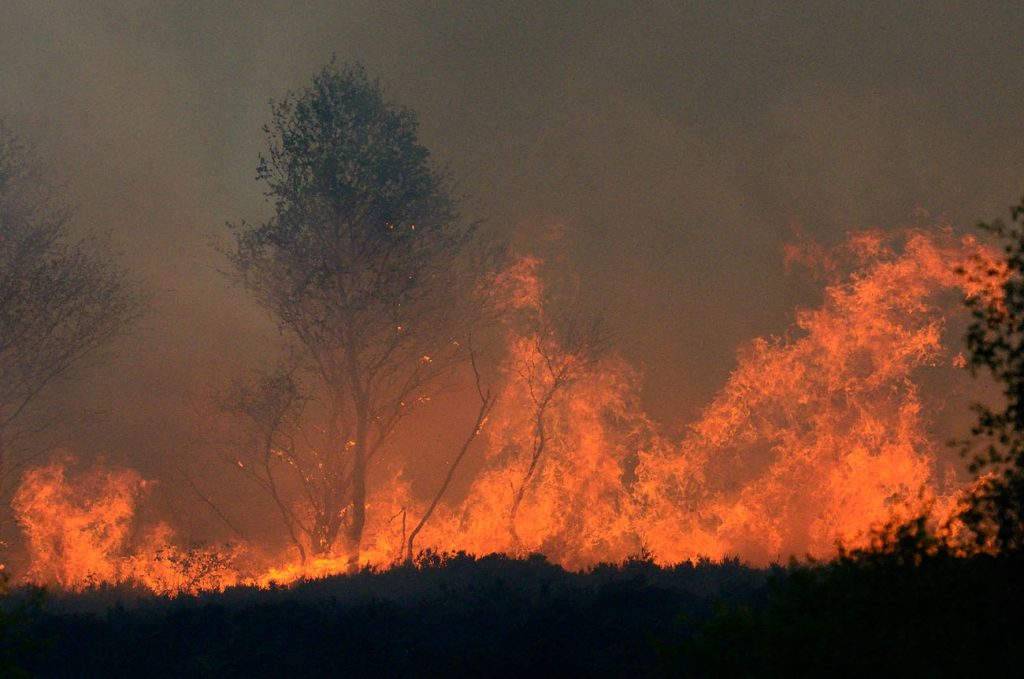
Wildfire, Glen Convinth. Some like it hot, most don’t. WMO reports 17th May global temperatures to rise more than 1.5°C, 22nd May extreme weather kills over 2 million since 1970.
World Meteorological Organization
Climate change matters in Scotland, ask NatureScot
Climate change does not cause any single wildfire but it does worsen the conditions for them through greater periods of excessively dry conditions and it does make the number and the severity of them significantly greater.
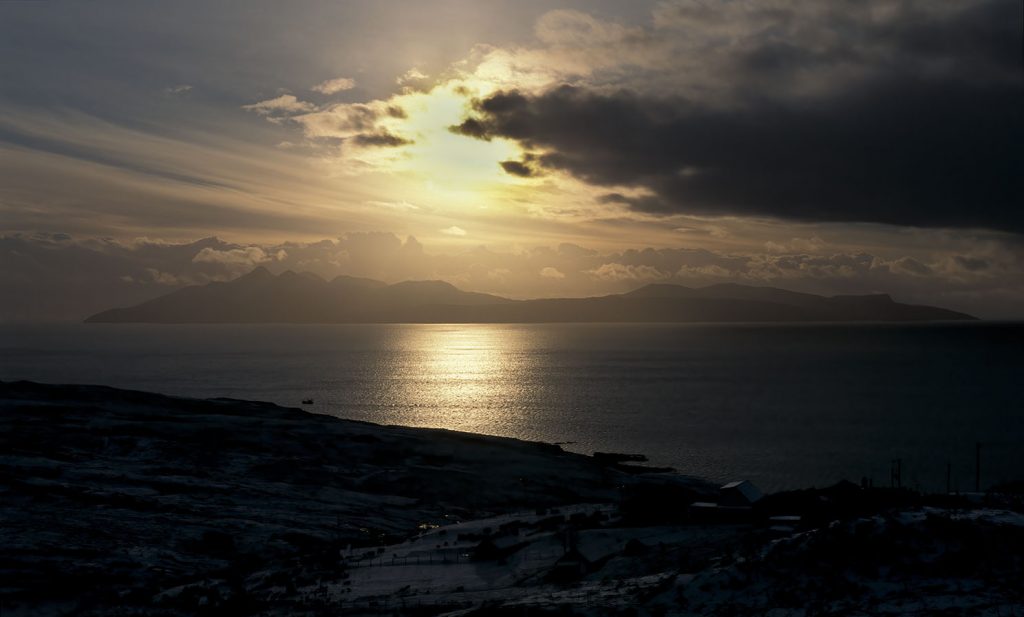
Rùm, Pirates Will Be Disappointed
Photograph
The Island of Rùm (not Rum, sorry pirates) off the West coast, Highland Scotland. One of the oldest Scots sites of human settlement, clear and dark skies to watch the stars, exceptional wildlife but no badgers which is a shame. Around 1900 the new owner tried to change the name to Rhum so he was not ‘The Laird of Rum’ but that did not last.
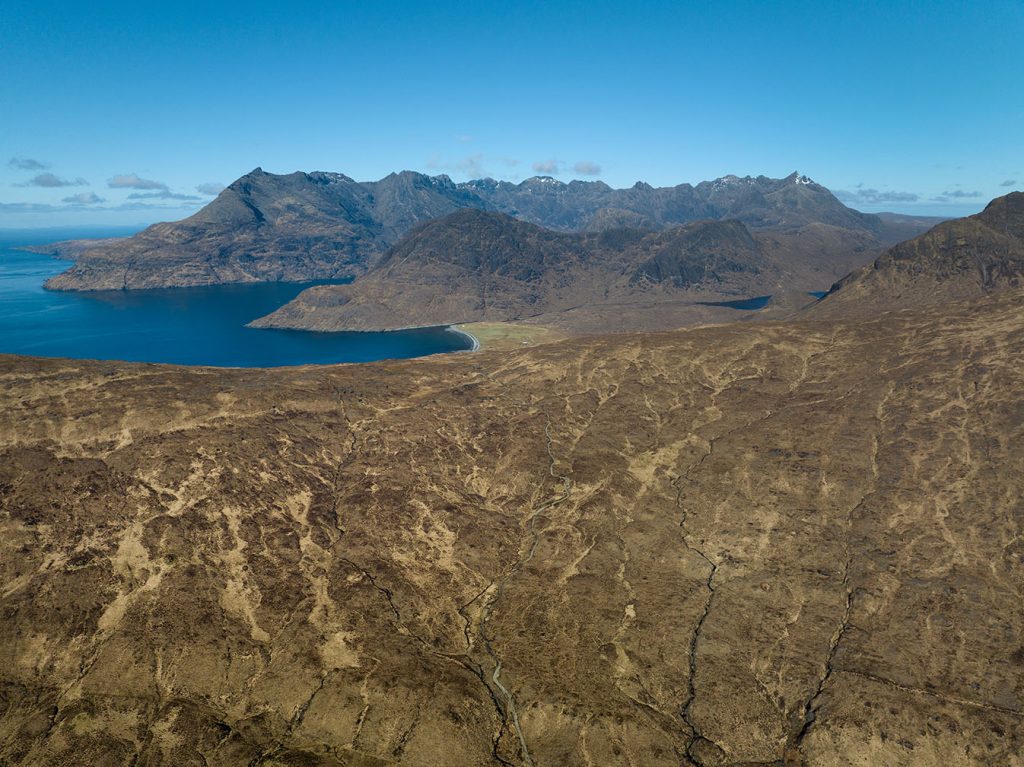
Skye, Black Cuillin Hills
Photograph
60 million years young and a bit quieter now they are not a volcano. 3255 feet high and once called worthless since they were of little use for farming. Now we value them for themselves and that makes them priceless and ours.
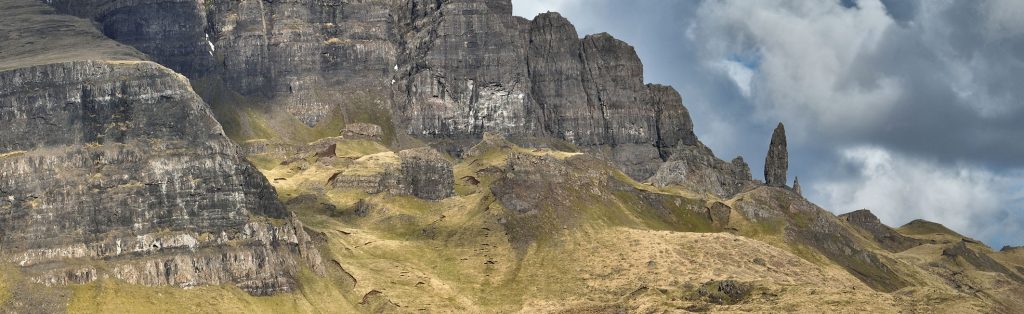
Skye, Old Man of Storr
Photograph
Ask the geologists and you are looking at a giant landslide where heavy lava 300m thick was too heavy for the Jurassic rocks underneath. Ask the storytellers and you will hear of a giant that died and was covered by the earth, two giants who were escaping a demon but who looked back and were turned to stone, a memorial carved by a Brownie, a spirit, to two lovers who died, one of a broken heart, or the work of faeries of bad intent turning two victims to stone in a trick. The name comes from the shape of the profile of an old man seen if the rock is viewed from the right angle.
Photographs and illustrations ©Nick Sidle, all rights reserved